The Shift from Travel Analytics to Travel Intelligence
Business travel has never generated more data. Yet many organizations have never felt less informed.
Every business trip leaves behind a trail of information.
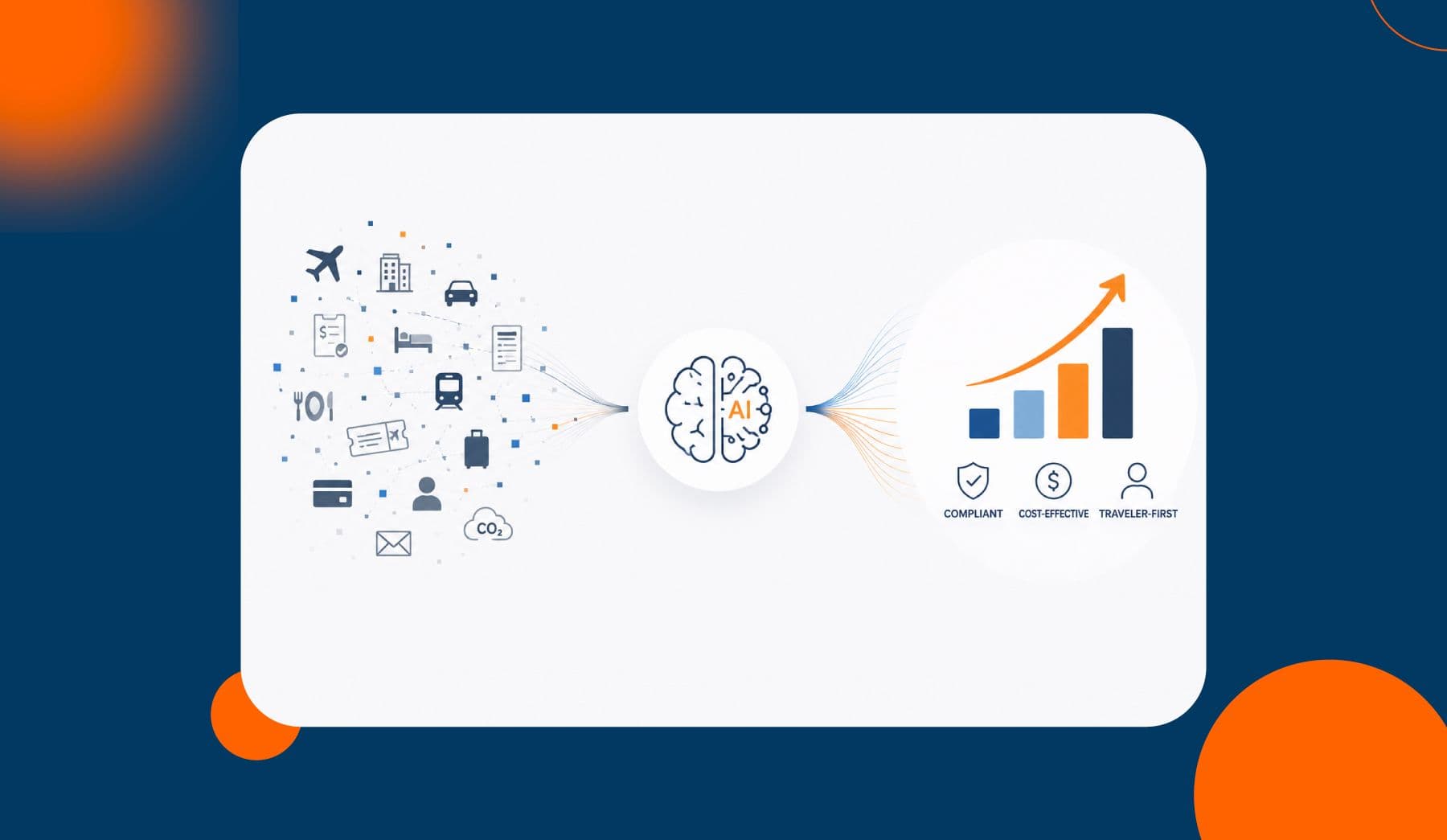
A flight booking, a hotel reservation, a taxi receipt, an expense claim, a policy exception, an approval workflow, a carbon emission record, a supplier invoice - each interaction contributes another data point to an organization's travel ecosystem.
Over the past decade, organizations have invested heavily in travel analytics to make sense of this growing volume of information. Dashboards became richer. Reports became more detailed. Finance teams gained better visibility into travel spend, procurement teams tracked supplier performance more closely, and travel managers monitored policy compliance with increasing precision.
Yet despite having access to more reports than ever before, many organizations continue to face the same operational challenges.
Travel budgets remain unpredictable. Policy violations are often identified only after expenses are submitted. Travel disruptions require manual intervention. Finance teams spend days reconciling fragmented data, while travelers still struggle to receive timely recommendations when plans change.
The problem isn't a shortage of information. It's that most organizations are still using yesterday's approach to solve today's travel challenges.
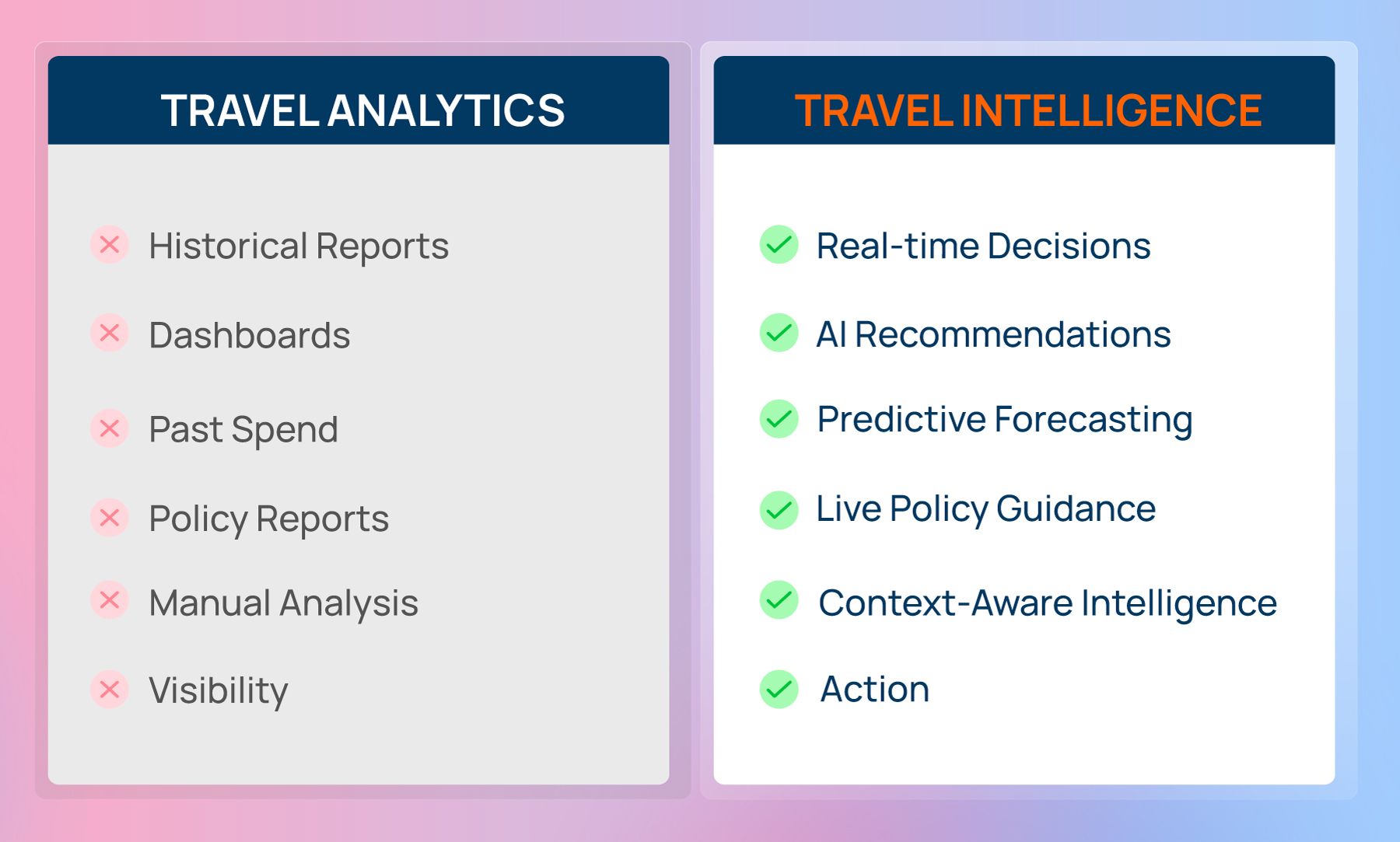
Travel analytics has helped businesses understand what happened. The next generation of enterprise travel requires understanding what is happening now and what should happen next. That is where travel intelligence begins.
Why Analytics Alone Is No Longer Enough
For years, historical reporting was sufficient because business travel itself was relatively predictable. Travel programs followed negotiated supplier agreements, annual budgets were relatively stable, and decisions were reviewed after trips had concluded. Looking backward was often enough to improve the next quarter's performance.
Today's travel environment is very different. Airfares fluctuate continuously. Hotel prices change by the hour. Weather events, geopolitical developments, visa regulations, and operational disruptions can alter travel plans overnight. Hybrid work has changed travel patterns, with more project-based and purpose-driven trips replacing routine travel.
At the same time, organizations are balancing more priorities than ever before. Every booking decision is influenced by travel policy, employee experience, cost optimization, sustainability goals, duty of care, supplier agreements, and financial controls.
These variables rarely exist within a single system. Instead, they are scattered across booking platforms, expense systems, ERP applications, HR software, risk management tools, and supplier networks. The result is an environment where businesses possess enormous amounts of travel data but struggle to convert it into timely decisions.
Recent industry research reflects this growing challenge. GBTA reports that only 12% of organizations have a unified view of their travel data, while 61% say managing global travel programs has become increasingly difficult because of fragmented systems and disconnected processes.
Data isn't the problem anymore; context is.
Business Travel Has Become a Continuous Decision-Making Process
One of the biggest changes in enterprise travel isn't simply the volume of data being generated. It's the speed at which decisions now need to be made.
A delayed flight can affect hotel bookings, meeting schedules, ground transportation, expense forecasts, and project timelines within minutes. A sudden increase in airfare can change approval decisions. A policy exception may require immediate financial review.
Waiting for a monthly dashboard no longer helps. Organizations increasingly need systems capable of interpreting events as they happen, not weeks later.
This explains why predictive capabilities have become one of the industry's fastest-growing priorities. According to GBTA, 92% of travel buyers say predictive analytics for travel spend forecasting is now a strategic priority, reflecting a clear shift from reporting historical trends to anticipating future outcomes.
Intelligence Is About Context, Not Just Data
There is a common misconception that travel intelligence simply means adding artificial intelligence to existing travel platforms. In reality, intelligence begins with context -consider something as routine as booking a flight. Finding the lowest airfare is relatively simple. Finding the most appropriate flight requires understanding far more.
Is the traveler attending a customer meeting or an internal workshop?
Does the itinerary comply with corporate travel policy?
Will selecting another flight exceed the project budget?
Does the employee have accessibility requirements?
Will a cheaper option create additional hotel costs?
Does the company have preferred supplier agreements?
Could changing the itinerary increase travel risk or carbon emissions?
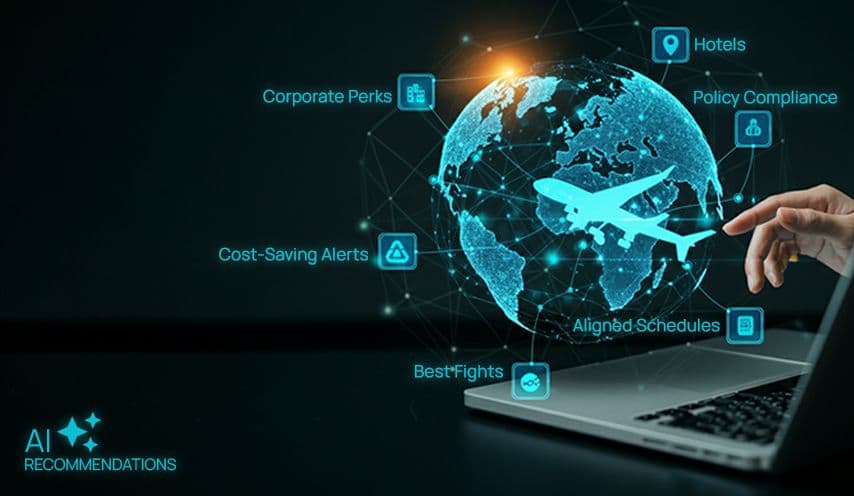
None of these questions can be answered by historical analytics alone. They require systems capable of connecting operational, financial, and organizational context before recommending a decision. That is the difference between reporting information and generating intelligence.
AI Has Changed Expectations Across the Enterprise
The rapid adoption of generative AI has also reshaped how employees expect enterprise systems to work. Business users increasingly expect to ask simple questions and receive immediate, contextual answers.
"Which flight best balances cost, policy, and convenience?"
"Can I extend my trip without requiring another approval?"
"Will this booking affect my department's remaining travel budget?"
These are no longer unrealistic expectations. They're becoming the standard. Yet many organizations still rely on disconnected reporting tools that require users to search multiple dashboards before finding the information they need.
The future of enterprise travel is unlikely to be defined by larger dashboards. It will be defined by systems that deliver recommendations instead of reports.
From Visibility to Decision Intelligence
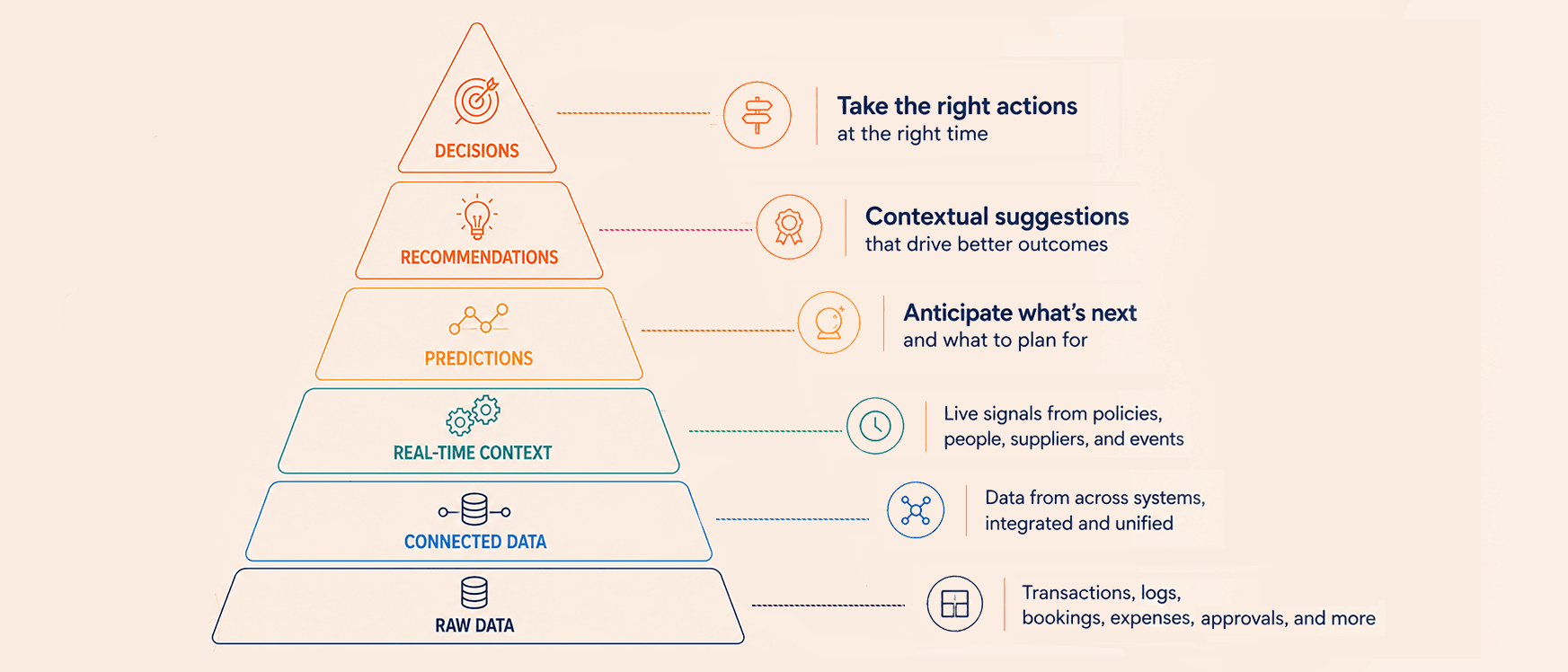
For years, improving visibility was considered the ultimate goal of travel technology. Visibility remains important. But visibility alone doesn't improve outcomes. Knowing that travel spend exceeded budget last month doesn't prevent overspending tomorrow.
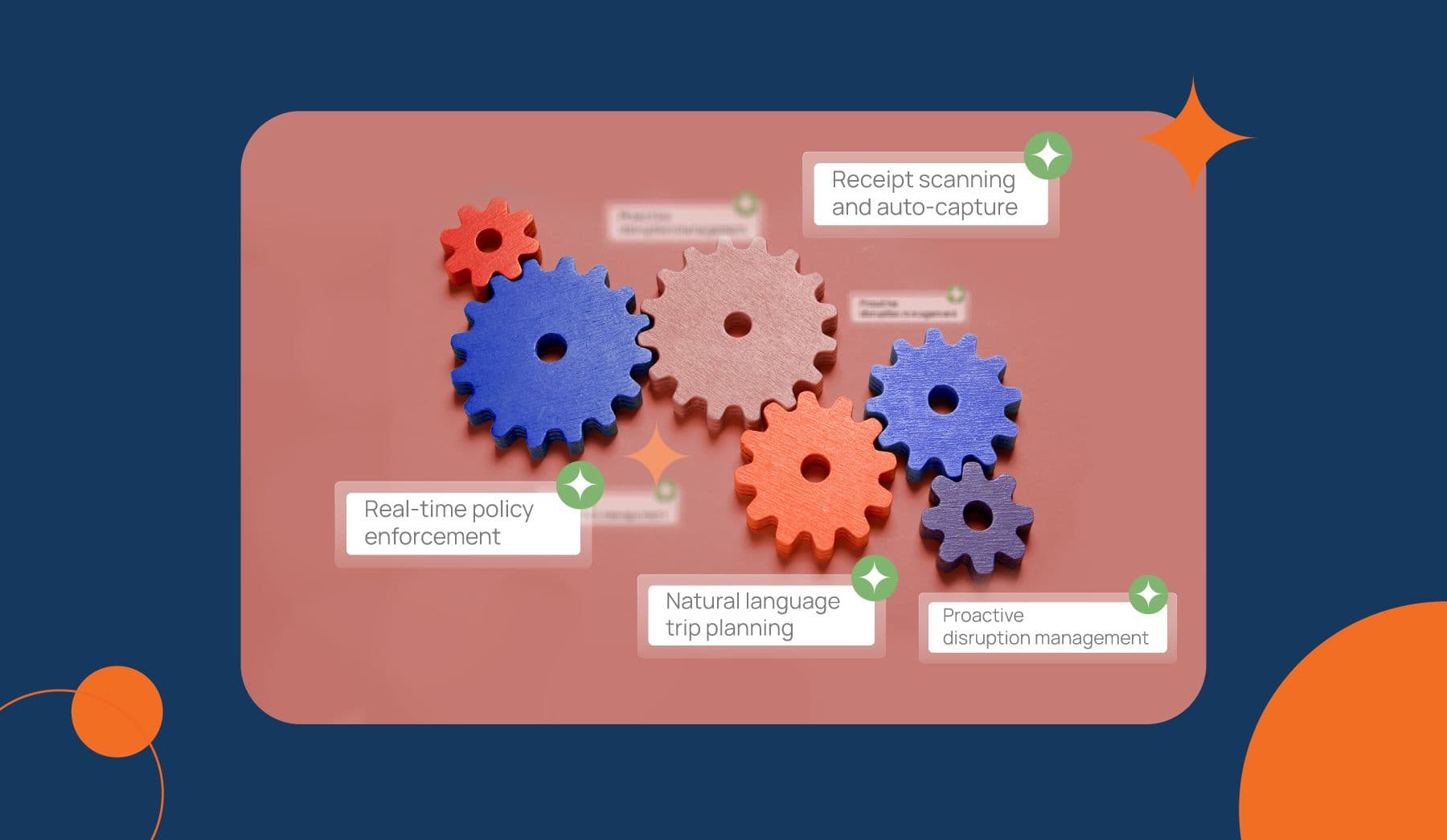
Knowing that policy compliance declined last quarter doesn't help an employee making a booking this afternoon. Travel intelligence shifts the focus from observation to action. Instead of simply describing performance, it identifies patterns, predicts likely outcomes, recommends better alternatives, and supports decisions while they are still being made.
This changes the role of enterprise travel technology from a passive reporting system into an active decision-support capability.
The Future of Enterprise Travel Isn't More Dashboards
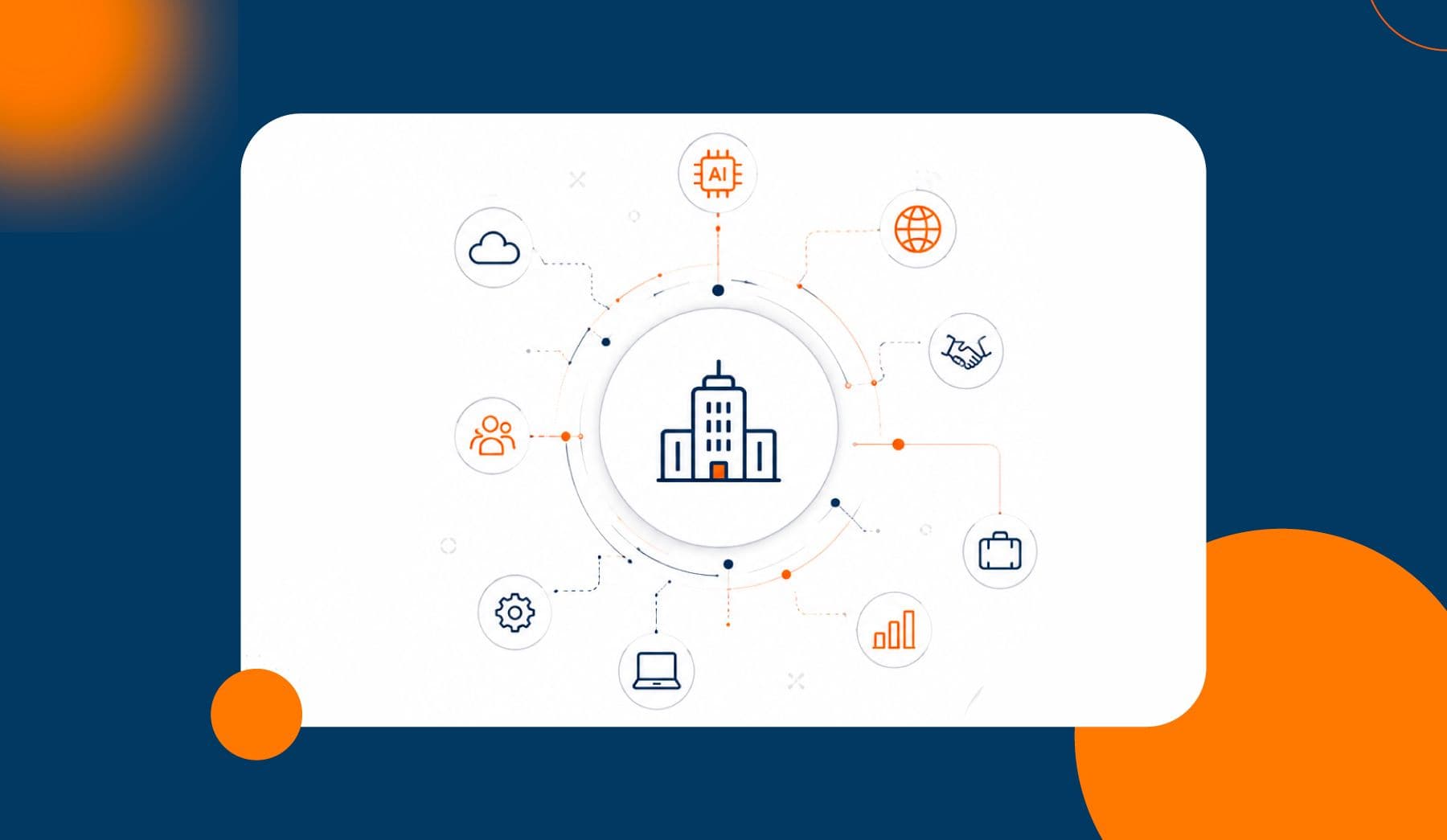
Business travel is becoming increasingly connected. Travel, expense, finance, procurement, HR, sustainability, and risk management are no longer isolated functions operating independently. Decisions made in one area immediately affect another.
In such an environment, historical reporting alone cannot keep pace. Organizations need systems capable of understanding relationships between data, identifying emerging risks, anticipating future outcomes, and helping employees make better decisions in real time.
This is why the conversation is shifting from travel analytics to travel intelligence. Analytics helped organizations understand their travel programs. Travel intelligence will help them continuously improve them. Because in today's business environment, the organizations that succeed won't necessarily be the ones with the most data.
They'll be the ones that know what to do with it before the next decision is made.

Disha Chatterjee
Senior Content MarketerIn this article
1.Why Analytics Alone Is No Longer Enough
2.Business Travel Has Become a Continuous Decision-Making Process
3.Intelligence Is About Context, Not Just Data
4.AI Has Changed Expectations Across the Enterprise
5.From Visibility to Decision Intelligence
6.The Future of Enterprise Travel Isn't More Dashboards